When Your Husband Walks Out and Your House Looks Like a Tornado Hit It — Now What?
Updated: Sep 24
Welcome to Mamahood After Trauma, a space created to support mothers as they heal from trauma, break generational cycles, and discover healthier ways of showing up for themselves and their families. Here, you’ll find honest conversations, practical tools, and encouragement to remind you that healing is possible, one step at a time.

Introduction
Healing from trauma while raising children can be an incredibly complex journey, especially for mothers navigating it without a partner. Between processing your own experiences, supporting your children, and managing the realities of motherhood, healing can sometimes feel overwhelming.
In this post, we’ll explore the importance of sharing your story, finding supportive community, navigating trauma while parenting, leaning on faith, and taking practical steps toward healing and hope.
Table of Contents
Healing, Hope, and Community: Lessons from Solo Motherhood After Trauma
The Power of Sharing Your Story
Building Supportive Communities
Navigating Trauma While Parenting
Faith as a Foundation for Healing
Actionable Steps for Single Moms in Crisis
Expert Advice: Breaking the Cycle
Connect and Continue the Conversation
Final Thoughts
Healing, Hope, and Community: Lessons from Solo Motherhood After Trauma
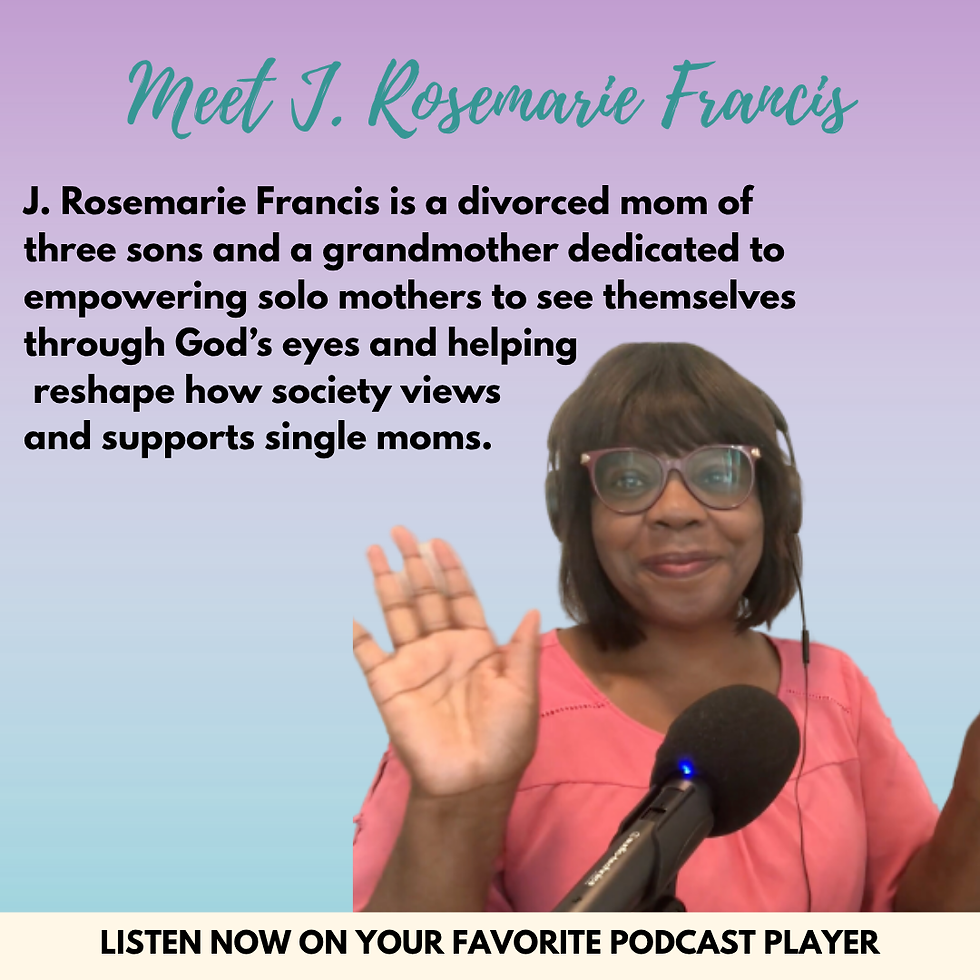
Motherhood After Trauma is more than a podcast—it’s a lifeline for mothers navigating the complex journey of healing while raising children. In a recent episode, host Emily Cleghorn sat down with Rosemarie Francis, a mom, grandmother, author, and the voice behind the Solo Moms Talk podcast. Their conversation is a masterclass in resilience, faith, and the power of community for mothers who have experienced trauma and abandonment.
This blog post dives deep into the main themes and actionable insights from their discussion, offering a comprehensive guide for single moms and trauma survivors seeking healing, connection, and hope.
The Power of Sharing Your Story
Key Insight: Your story is not just yours—it’s a bridge to healing for others.
Both Emily and Rosemarie emphasize the transformative power of sharing personal stories. Rosemarie's journey began with her own trauma: sudden abandonment by her husband, leaving her to raise two young sons alone. She describes the initial chaos—panic attacks, overwhelming grief, and the daunting responsibility of solo parenting.
Why Sharing Matters:
Validation: Hearing similar stories helps mothers realize they are not alone in their struggles.
Healing: Speaking your truth out loud can be cathartic and reduce feelings of shame or isolation.
Connection: Stories foster empathy and build bridges between women with shared experiences.
Actionable Advice:
Start Small: Share your story with a trusted friend, therapist, or support group.
Seek Safe Spaces: Look for non-judgmental environments, like discovery groups or online forums, where you can be vulnerable.
Consider Podcasting or Journaling: If you feel called, platforms like podcasts or blogs can amplify your voice and help others.
Building Supportive Communities
Key Insight: Healing accelerates in community, not isolation.
Rosemarie's inspiration for Solo Moms Talk came from a discovery group at Brooklyn Tabernacle Church—a space where women could express themselves without fear of judgment. She realized the profound impact of simply being heard.
Elements of a Supportive Community:
Non-judgmental Listening: Sometimes, mothers don’t need solutions—they need someone to listen.
Shared Experiences: Knowing others have faced similar challenges reduces stigma and self-blame.
Ongoing Support: Healing is a journey, not a destination. Regular check-ins and resources are vital.
Actionable Advice:
Join or Create a Group: If you can’t find a local support group, consider starting one—online or in person.
Engage in Reflective Practices: Use prompts, devotionals, or group discussions to deepen your healing.
Leverage Technology: Platforms like Instagram, Facebook groups, or dedicated websites can connect you with like-minded moms.
Navigating Trauma While Parenting
Key Insight: Unresolved trauma can impact both you and your children—but awareness is the first step to breaking the cycle.
Rosemarie's story highlights the “multi-car pileup” effect of trauma: her husband’s abandonment triggered unresolved wounds from her own childhood, including being left by her mother and losing her grandfather.
Nuances of Parenting Through Trauma:
Dual Burden: Single moms often carry both their own pain and their children’s trauma.
Unconscious Patterns: Without healing, old wounds can shape parenting styles and family dynamics.
The Importance of Self-Awareness: Recognizing your triggers and emotional states is crucial for healthy parenting.
Actionable Advice:
Seek Professional Help: Therapy or counseling can help you process past trauma and develop coping strategies.
Practice Self-Compassion: Acknowledge your limitations and forgive yourself for not having all the answers.
Model Emotional Regulation: Show your children how to name and manage big feelings, even when you’re struggling.
Faith as a Foundation for Healing
Key Insight: Spiritual surrender can be a powerful tool for overwhelmed mothers.
Rosemarie's faith journey was not linear—she describes it as tumultuous, marked by moments of crisis and surrender. When she felt completely overwhelmed, she dedicated her sons to God, acknowledging her need for help beyond her own strength.
Faith-Based Healing Practices:
Surrender: Letting go of the illusion of control and asking for divine help.
Personal Relationship with God: Focusing on your connection with your Creator rather than institutional religion.
Community Worship: Finding solace and support in faith-based groups or churches.
Actionable Advice:
Explore Your Spirituality: Whether through prayer, meditation, or attending services, find what resonates with you.
Release Judgment: Don’t let negative experiences with religious institutions keep you from seeking spiritual support.
Dedicate Your Journey: Consider rituals or ceremonies, like child dedication, that symbolize your commitment to healing and growth.
Actionable Steps for Single Moms in Crisis
Key Insight: You are not alone, and practical steps can help you move from survival to stability.
Rosemarie's advice for single moms in crisis is both spiritual and practical:
1. Acknowledge Your Pain
Don’t minimize or dismiss your feelings. Allow yourself to grieve and process.
2. Reach Out for Help
Lean on friends, family, or professionals. Don’t be afraid to ask for support.
3. Prioritize Self-Care
Even small acts—like taking a walk, journaling, or resting—can make a difference.
4. Find Your Community
Seek out groups, in person or online, where you can share and receive encouragement.
5. Take the Next Right Step
Healing is a journey. Use resources like Emily’s “Find Your Next Step to Calm and Healing” quiz to identify where you are and what you need.
Expert Advice: Breaking the Cycle
Key Insight: Healing yourself is the first step to breaking generational cycles of trauma.
Both Emily and Rosemarie are “cycle breakers”—women committed to parenting differently and healing out loud.
Their advice:
Be Honest with Your Children: Age-appropriate conversations about feelings and family history can foster trust.
Model Resilience: Show your kids that it’s okay to struggle and seek help.
Invest in Your Growth: Use resources, coaching, or courses to deepen your healing journey.
Recommended Resources:
Motherhood After Trauma Podcast: Weekly episodes on trauma, healing, and parenting.
Solo Moms Talk Podcast: Stories and support for single mothers.
The Rising Room: Emily’s membership community for deeper healing and reflection.
SolomonsTalk.com: Rosemarie's new website and devotional group.
Connect and Continue the Conversation
You don’t have to walk this path alone. Whether you’re a single mom, a trauma survivor, or simply seeking a supportive community, there are resources and people ready to walk alongside you.
Ways to Connect:
Follow the Podcasts: Subscribe to Motherhood After Trauma and Solo Moms Talk for ongoing support.
Join Online Communities: Engage with Emily and Rosemarie on Instagram (@SolomonsTalk) or through their websites.
Take the Next Step: Use Emily’s free quiz to discover your next move toward calm and confidence.
Final Thoughts
Healing after trauma—especially as a mother—is a courageous, ongoing journey. By sharing your story, seeking community, nurturing your faith, and taking practical steps, you can break cycles and build a legacy of resilience for your children.
Remember: You are not alone. Your story matters. And healing is possible—one step, one conversation, one day at a time.

Resources
Emily Cleghorn’s Free Quiz: “Find Your Next Step to Calm and Healing”.
If you’re a mama healing from trauma and seeking a new way forward, remember: You deserve support, your child deserves joy, and together, you can break cycles and build a brighter future.


Comments